

Can food grade xanthan gum be used in beverages? That's a question I get asked a lot as a food grade xanthan gum supplier. And the short answer is yes! Food grade xanthan gum is not only safe but also super useful in the beverage industry. Let's dive into the details.
What is Food Grade Xanthan Gum?
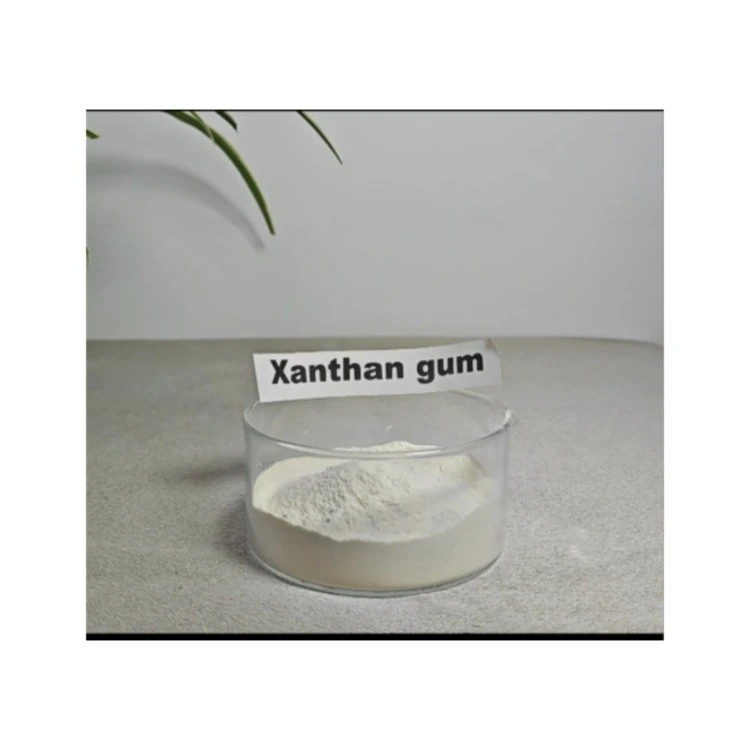
First off, let's talk about what xanthan gum is. Xanthan gum is a polysaccharide produced by the fermentation of glucose or sucrose by the bacterium Xanthomonas campestris. In simple terms, it's a natural thickening and stabilizing agent. When we say "food grade," it means it meets the strict safety standards set for use in food and beverages.
The great thing about food grade xanthan gum is its versatility. It can be used in a wide range of products, from dairy drinks to fruit juices, and even in alcoholic beverages. It helps to improve the texture, stability, and overall quality of these drinks.
Benefits of Using Food Grade Xanthan Gum in Beverages
1. Thickening and Stabilizing
One of the main reasons why food grade xanthan gum is so popular in the beverage industry is its ability to thicken and stabilize liquids. In fruit juices, for example, it can prevent the separation of pulp and juice, keeping the drink homogeneous. This is especially important for products like orange juice with pulp, where you want the pulp to be evenly distributed throughout the drink.
In dairy beverages, xanthan gum can give them a smooth and creamy texture. It helps to prevent the formation of lumps and improves the mouthfeel, making the drink more enjoyable to consume.
2. Emulsification
Many beverages contain oil or fat components, such as milkshakes or some flavored coffee drinks. Xanthan gum can act as an emulsifier, helping to mix these oil and water-based components together. This prevents the oil from separating and floating to the top, ensuring a consistent product.
3. Shelf Life Extension
By stabilizing the ingredients in a beverage, xanthan gum can also help to extend its shelf life. It reduces the risk of spoilage and the growth of microorganisms, keeping the drink fresh for longer. This is a huge advantage for beverage manufacturers, as it allows them to produce and distribute their products over a wider area without worrying about rapid spoilage.
Applications in Different Types of Beverages
1. Fruit Juices and Smoothies
As mentioned earlier, xanthan gum is great for keeping the pulp in fruit juices evenly distributed. In smoothies, it can add a thicker consistency, making them more filling and satisfying. It also helps to prevent the separation of the different ingredients, such as fruits, vegetables, and dairy or non-dairy milk.
2. Dairy and Non-Dairy Drinks
In milkshakes, yogurt drinks, and plant-based milk alternatives, xanthan gum provides a smooth and stable texture. It can mimic the thickness and creaminess of traditional dairy products, making non-dairy options more appealing to consumers.
3. Carbonated Beverages
Even in carbonated drinks, xanthan gum can play a role. It can help to maintain the carbonation levels by reducing the rate at which the carbon dioxide escapes from the liquid. This results in a fizzier and more refreshing drink.
Safety and Regulation
Food grade xanthan gum is considered safe for consumption by regulatory authorities around the world, including the US Food and Drug Administration (FDA) and the European Food Safety Authority (EFSA). It has been extensively tested and has a long history of use in the food industry.
However, like any food additive, it's important to use it within the recommended limits. These limits are set to ensure the safety of consumers while still allowing manufacturers to achieve the desired effects in their products.
Comparing with Other Grades of Xanthan Gum
It's worth noting that there are different grades of xanthan gum available, such as High Quality Drilling Grade Xanthan Gum and Industrial Grade Xanthan Gum. These grades are not suitable for use in beverages.
Drilling grade xanthan gum is primarily used in the oil and gas industry for drilling fluids, where it helps to control the viscosity and stability of the fluids. Industrial grade xanthan gum is used in various industrial applications, such as in the production of paints, adhesives, and textiles.
On the other hand, Xanthan Gum Biopolymer is a more general term that can refer to xanthan gum in different forms and applications. But when it comes to beverages, you definitely want to use food grade xanthan gum.
How to Use Food Grade Xanthan Gum in Beverages
Using food grade xanthan gum in beverages is relatively straightforward. It can be added directly to the liquid during the production process. However, it's important to disperse it evenly to avoid clumping.
Typically, a small amount of xanthan gum is used, usually between 0.1% and 0.5% of the total weight of the beverage. The exact amount depends on the type of beverage and the desired texture and stability.

Conclusion
So, to sum it up, food grade xanthan gum is definitely a great option for use in beverages. It offers numerous benefits, from improving texture and stability to extending shelf life. And it's safe to use, as long as it's used within the recommended limits.
If you're a beverage manufacturer looking to enhance the quality of your products, I'd highly recommend considering food grade xanthan gum. As a supplier, I can provide you with high-quality xanthan gum that meets all the necessary safety and quality standards. If you're interested in learning more or discussing a potential purchase, feel free to reach out. Let's have a chat about how we can work together to take your beverages to the next level.
References
- Food and Agriculture Organization of the United Nations (FAO). "Xanthan Gum: Specifications and Evaluations."
- US Food and Drug Administration (FDA). "Food Additives Permitted for Direct Addition to Food for Human Consumption."
- European Food Safety Authority (EFSA). "Scientific Opinion on the Re - evaluation of Xanthan Gum (E 415) as a Food Additive."