

Liquid lubrication and Biolubricants. Biolubricants are liquid lubricants derived from plant oils or their derivatives. The primary function of a lubricant is to keep friction, wear and heat from affecting the sliding surfaces by providing a layer of liquid between the surfaces.Viscosity is the factor that determines the thickness of a lubricant film, that separates the surfaces . Based on the film thickness and the combined roughnesses of the surfaces, the lubrication regime is typically determined and hence the level of friction. It is a water-based liquid that is basically used to reduce friction.Liquid lubrication is fundamental to the operation of all engineering machines. It is required to minimise friction, wear and also provides a cooling function and a surface protection function. A Liquid lubrication regime can be hydrodynamic or hydrostatic. In hydrodynamic bearings the fluid is introduced into the bearing surfaces by the action of the bearing. In hydrostatic bearing the fluid is introduced under pressure from an external source.
Reduce Flow Resistance
Liquid lubricants can significantly reduce the flow resistance of drilling fluid, helping the drilling fluid circulate more smoothly and carry cuttings.
Reduce Friction Coefficient
A lubricating film is formed between the drill bit and the well wall, reducing the friction coefficient between the drill bit and the well wall, thereby reducing drill bit wear and improving drilling efficiency.
Increase Drilling Speed
By reducing frictional resistance, liquid lubricants allow the drill bit to slide more easily in the well wall, thus speeding up the drilling process.
Extend Drill Bit Service Life
Reduce drill bit wear, extend its service life, and reduce drilling costs.
-
![Liquid Lubricant]() Liquid LubricantReduce flow resistance: Liquid lubricants can significantly reduce the flow resistance of drilling fluid, helping the drilling fluid circulate more smoothly and carry cuttings.read more
Liquid LubricantReduce flow resistance: Liquid lubricants can significantly reduce the flow resistance of drilling fluid, helping the drilling fluid circulate more smoothly and carry cuttings.read more -
![Bit Cleaner]() Bit CleanerYellow or brown-yellow, brown-black liquid, this product is a highly efficient lubricant suitable for various drilling fluid systems. It can effectively reduce the friction coefficient of theread more
Bit CleanerYellow or brown-yellow, brown-black liquid, this product is a highly efficient lubricant suitable for various drilling fluid systems. It can effectively reduce the friction coefficient of theread more -
![Water-based Lubricant]() Water-based Lubricant① It has good lubricity and can be used for directional Wells and horizontal Wells;② Salt, calcium and magnesium resistant, can be used in fresh water, salt water, saturated salt water and seawaterread more
Water-based Lubricant① It has good lubricity and can be used for directional Wells and horizontal Wells;② Salt, calcium and magnesium resistant, can be used in fresh water, salt water, saturated salt water and seawaterread more


Why Choose Us
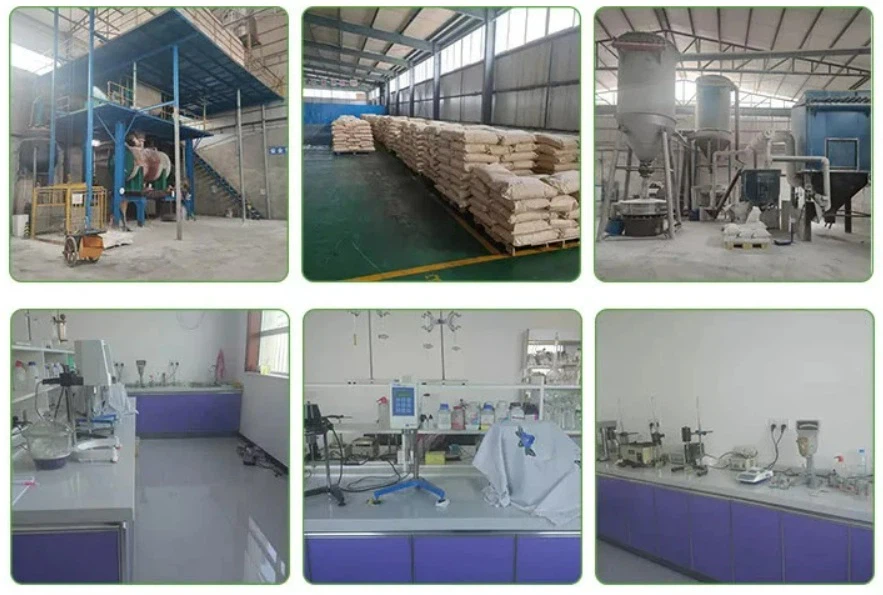
Our Factory
Wen'an Zhongde Chemical Co., Ltd. Founded in January 2010, it is located in the south of Beijing, the capital of China, 150 kilometers west of Tianjin Xingang. The company has advanced production equipment, the most mature production technology and modern standardized testing equipment, and testing methods meet international standards. Our products have passed the ISO9001: 2008 quality system certification, and the product quality has reached the international leading level.
Our Product
Carboxymethyl cellulose (CMC-HV, CMC-LV), polyanionic cellulose (PAC-LV, PAC-R, PAC-HV), hydroxypropyl methyl cellulose (HPMC), polyacrylamide (PAM, CPAM, APAM, NPAM),Sodium polyacrylate, carboxymethyl starch (CMS), high-temperature resistant starch for oil drilling, xanthan gum, shale inhibitor, sulfonated asphalt powder, anti sloughing agent white asphalt, plugging agent while drilling, guar gum Lubricants and detergents for drilling fluids, coating agents for drilling fluids.
Application & Market
Oil drilling construction wastewater treatment food textile printing and dyeing heat transfer.Nigeria, the United States, Japan, Russia, Türkiye, France, Pakistan, India... They come to our company for inspection and guidance.
Service Purpose
1. Fast, decisive, accurate, thoughtful and thorough
2. Service objective: Service quality to win customer satisfaction
3. Service efficiency: Solve product doubts and problems for customers in the first time.
How to Choose Liquid Lubricants For Drilling Fluids
Oil Lubrication
Oil lubrication is widely used in various industrial applications. It is essential for ensuring proper lubrication of bearings, which are critical components in machinery. Proper oil lubrication provides a protective film between the rolling elements and races of bearings, reducing friction and preventing premature wear.
Bearings and Oil
When selecting oil for bearings, it's important to consider factors such as load, speed, temperature, and environmental conditions. Bearing manufacturers often provide guidelines specifying the recommended oil type and viscosity for their products. Adhering to these guidelines helps ensure optimal bearing performance and extended service life.
Oil Type
Choosing the right oil type is crucial, as different oils have varying properties and performance characteristics. Some common oil types include mineral oils, synthetic oils, and biodegradable oils. Mineral oils are suitable for general-purpose applications, while synthetic oils offer enhanced performance in terms of oxidation resistance, thermal stability, and viscosity index. Biodegradable oils are preferred for environmentally sensitive applications.
Oil Viscosity
The viscosity of an oil quantifies its ability to resist flow. It plays a significant role in determining the lubricant's ability to maintain a protective film and carry away heat. The appropriate viscosity grade is determined based on factors such as operating temperature, speed, load, and equipment manufacturer recommendations. Low-viscosity oils are used in high-speed applications, while high-viscosity oils are used in heavy-load or high-temperature applications.
Grease Lubrication
Grease lubrication is widely used in applications where oil lubrication may not be feasible or effective. Grease provides better adhesion and sealing properties, making it suitable for applications with slow or intermittent movement, high loads, and extreme temperatures. It is commonly used in bearings, gears, and other components that require long-lasting lubrication.
Grease Thickening
Grease contains a thickening agent that gives it its semisolid consistency. Different thickening agents, such as lithium, calcium, polyurea, and aluminum complex, are used to achieve specific performance characteristics. The choice of thickener depends on factors such as operating temperature, speed, load, and compatibility with the application.
The Need for Grease Specifications
Different applications require greases with specific properties and certifications. It is important to consider industry standards and specifications when selecting grease. For example, food-grade greases are necessary for lubricating equipment in the food and beverage industry to ensure compliance with safety regulations.
Low Temperatures
In cold environments, it is crucial to choose lubricants that can withstand low temperatures without solidifying or losing their lubricating properties. Special low-temperature greases or synthetic oils are often recommended to ensure smooth operation in frigid conditions.
High Temperatures
High-temperature applications pose challenges for lubrication due to increased heat and potential oil breakdown. Selecting lubricants with high thermal stability and oxidation resistance is vital to prevent viscosity loss, deposits, and premature wear. Synthetic oils and greases formulated for high-temperature applications are commonly used in such conditions.
Effects of Water
In applications where water or moisture is present, such as marine or outdoor equipment, it is crucial to choose lubricants with excellent water resistance. Water-resistant greases and oils help prevent rust, corrosion, and washing out of the lubricant, ensuring reliable performance and protection.
Industrial Oil Filtration
Regular oil filtration is necessary to remove contaminants and extend the life of the lubricant. Filtration systems help remove particles, water, and other impurities that can degrade the lubricating properties of the oil. Implementing effective oil filtration practices promotes equipment reliability and reduces maintenance costs. Proper filtration helps maintain the cleanliness of the lubricant, ensuring optimal performance and preventing premature component wear.
Green Practices
In today's environmentally conscious world, adopting green practices in lubricant handling and storage is crucial. This includes proper disposal of used lubricants according to local regulations and recycling containers whenever possible. Additionally, choosing biodegradable or eco-friendly lubricants can help minimize the environmental impact of industrial operations.
Storage Conditions
Proper storage conditions are necessary to maintain the quality and effectiveness of lubricants. Lubricants should be stored in a clean, dry, and well-ventilated area, away from direct sunlight and extreme temperatures. It is important to prevent contamination by keeping lubricant containers sealed and avoiding contact with water, dirt, and dust. Additionally, lubricants should be stored in a way that ensures easy identification and proper rotation based on their expiration dates.


Contamination Prevention
Contamination can severely affect the performance of lubricants. It is crucial to handle lubricant containers and dispensing equipment with clean and dry hands to avoid introducing contaminants. Using dedicated equipment, such as pumps and funnels, for transferring lubricants helps prevent cross-contamination. Additionally, keeping storage areas clean and using proper filtration systems during oil transfer and refilling processes reduces the risk of contaminants entering the lubrication system.
Inventory Management
Implementing an effective inventory management system ensures that lubricants are properly tracked, stored, and replenished. This helps prevent stockouts and ensures that the right lubricant is available when needed. Regular inspections and audits of lubricant inventory can identify any issues, such as expired products or improper storage, and allow for corrective actions to be taken promptly.
Types of Liquid Lubricants For Drilling Fluids
Natural oils
In the first category, we have natural oils obtained from natural sources without excessive processing. Moreover, these liquid lubricants come from animal fats and vegetables such as rapeseed and castor oils.
With regard to their properties, natural oils are quite unstable products in oxidative and thermal environments. Furthermore, they oxidize easily at high temperatures which causes them to lose their properties. For these reasons, we do not use natural oils for machine lubrication.
Mineral oils
Mineral oils are lubricants that are acquired from petroleum products which are obtained from oil wells also known as oilers. With respect to their composition, all mineral oils are hydrocarbons or organic compounds that consist of hydrogen and carbon.
Once the petroleum is extracted from the oil well, it goes through various fractionation processes. During these processes, oils and fuels of different properties such as viscosity are obtained. The products with higher viscosity and lubricating properties are used as lubricating agents or oils. It is important to mention that mineral oils are very sensitive to changes in temperature and that they generally have a vi up to 120. Their pour point is in the range of -6℃ to -60℃, however, most mineral oils have a -20℃ pour point. Additionally, mineral oils burn easily which means that they have lower flash points.
As they originate from natural resources, they contain other elements such as sulphur, phosphor, nitrogen, and others. These elements are considered as impurities that both affect lubrication and contaminate the environment. They can cause sludge and deposit formation which occur as products of oxidation and other reactions that take place during the lubrication process. For those reasons, mineral oils need to go through the purification process. Once they are purified, mineral oils are complemented with additives to compensate for their shortcomings. Nevertheless, mineral oils are used in the industry in the largest amount.
Synthetic oils
Synthetic oils were developed as a response to some of the disadvantages of the application of mineral oils. Mineral oils have certain limitations when it comes to applications. As petroleum products, they have impurities that affect their performance. That is why synthetic oils are produced through chemical processes to create a more advanced alternative to mineral or traditional liquid lubricants.
Being synthetic petroleum products, synthetic industrial oils have some of their positive properties. Unlike mineral oils, synthetic lubricating liquids do not have impurities which reduce or eliminate the possibility of deposit formation and make them stable products. Also, they have a much higher viscosity index making them stable at different temperatures. As their pour point falls between -18℃ and -74℃ temperature range (-30℃ to -50℃ generally), their flowability at low temperatures is improved. Something that makes them ideal for applications in industries where fire is considered a serious hazard is their higher flash point which goes to the non-flammable level.
The Production Process of Liquid Lubricants For Drilling Fluids
Raw Material Selection
Raw material selection plays a pivotal role in the process of manufacturing liquid lubricants, directly influencing the performance and quality of the final product. This process involves carefully assessing and choosing base oils, additives, and other ingredients to formulate liquid lubricants that are tailored to specific applications.
Base oils are selected based on viscosity, chemical composition, and thermal stability. Choosing the right base oil depends on the intended use, operating conditions, and performance requirements. Options include mineral, synthetic, or vegetable-based oils. Additives, on the other hand, are used to enhance one or more desired characteristics of the lubricant, such as levels of anti-wear, anti-oxidation, and viscosity stability. Additives should be selected deliberately, with considerations made regarding compatibility, synergistic effects, and the lubricant’s overall intended function.
Environmental concerns also play a role, as sustainable and eco-friendly options are gaining relevance. Economic factors also play a role in making material choices, where the balance between performance and cost-effectiveness is crucial.
Machinery and Technology
When it comes to producing lubricant oil and grease, the machinery and techniques used play a critical role. The manufacturing process requires specialized equipment to ensure precise blending, formulation, and quality control. Mixers and homogenizers are employed to thoroughly mix base oils and additives, ensuring a homogeneous blend.
Modern technologies play a pivotal role in ensuring consistent and high-quality production. Some examples include:
Automation and Computer-controlled Systems: These technologies help maintain accurate proportions of ingredients, reducing human error.
Advanced Analytical Instruments: Measurement technologies facilitate real-time monitoring of parameters such as viscosity, density, and chemical composition, ensuring that the end product meets stringent specifications.
Technologies such as process optimization enhance efficiency and minimize production variations. These advancements streamline the manufacturing process and contribute to sustainable practices, resource efficiency, and reduced waste generation.
Blending and Formulation
Lube oil blending is a rigorous procedure required for manufacturing specialized lubricating oils used in various industrial applications, such as equipment, motors, and other mechanical systems. This sophisticated process involves precisely blending base oils and additives to generate oils with tailor-made qualities, ensuring optimal performance and longevity.
Base oils constitute the foundation of these liquid lubricants and are responsible for their primary attributes, such as decreasing friction, heat, and wear in equipment and engines. The process begins with the selection of base oils. These oils are expertly blended with additives to produce the necessary viscosity grade and performance characteristics. Common additives used in this phase of the production process include:
Anti-wear Agents create a protective barrier between metal surfaces, minimizing friction and wear.
Extreme Pressure (EP) additives are made of sulfur and phosphorous components. EP additives form a protective layer on surfaces, preventing direct contact and reducing friction even in the most demanding of applications.
Detergents and Dispersants prevent the accumulation of sludge and deposits, keeping engines and machinery clean and efficient.
Antioxidants extend the oil’s lifespan by inhibiting oxidation, which can lead to oil thickening and degradation. This category of additives can be further broken down into phenolic antioxidants, amine-based antioxidants, and sulfur-based antioxidants.
Viscosity Modifiers ensure that the oil maintains consistency under a variety of temperatures, promoting optimal performance in diverse operating conditions. High-molecular weight polymer additives are a popular choice.
The Blending Process
The blending process occurs in controlled environments to maintain quality and prevent contamination. Modern blending facilities utilize advanced technology to automate and monitor the process, reducing the potential for human error and enhancing efficiency.
Although solid lubricants exhibit acceptable lubrication performance and a relatively wide temperature range of effective lubrication. Liquid lubrication is still the most effective way to reduce friction and wear in conventional environment by forming a solid-liquid-solid interface. It is found that the lubricating effect of liquid lubricants are much better than the solid lubricants . As compared with dry friction, the COF can be reduced by 1–3 orders of magnitude under the oil lubrication . For the above reasons, intelligent lubricating materials embedded or impregnated with liquid lubricants were proposed. Liquid lubricants in composites can be controllably released in response to external stimuli.
The key to developing intelligent lubricating materials containing liquid lubricants is the depot systems loading active agents for providing immediate or sustained release on demand. Micro/nanocontainers with the stimuli-responsive property have been used to fabricate intelligent lubricating materials, such as porous materials. The micro/nanocontainers store and hold liquid lubricants when not in use, but when needed, continuously and steadily release the lubricants to the friction surface. Micro/nanocontainers optimize the existing state of liquid lubricants in composites and make it possible to achieve the effect of fluid lubrication under the condition of dry friction without leakage problems.
Our Factory
Wen'an Zhongde Chemical Co., Ltd. Founded in January 2010, it is located in the south of Beijing, the capital of China, 150 kilometers west of Tianjin Xingang. The company has advanced production equipment, the most mature production technology and modern standardized testing equipment, and testing methods meet international standards. Our products have passed the ISO9001: 2008 quality system certification, and the product quality has reached the international leading level.


FAQ
We're professional liquid lubricants for drilling fluids manufacturers and suppliers in China, specialized in providing high quality customized service. We warmly welcome you to buy high-grade liquid lubricants for drilling fluids in stock here from our factory.
water based lubricant, bit cleaner