

Polyacrylamide (PAM) is a versatile polymer widely used in water treatment processes. As a PAM supplier, I often receive inquiries about the recommended dosage of PAM in water treatment. Determining the appropriate dosage is crucial for achieving optimal treatment results while ensuring cost - effectiveness and environmental safety. In this blog, I will delve into the factors influencing PAM dosage and provide guidelines on recommended dosages for different water treatment applications.
Factors Influencing PAM Dosage
Water Quality
The quality of the water being treated is one of the most significant factors affecting PAM dosage. Water with high levels of suspended solids, turbidity, or organic matter generally requires a higher dosage of PAM to achieve effective flocculation and sedimentation. For example, industrial wastewater from mining or food processing industries often contains a large amount of fine particles and organic pollutants, which may demand a relatively high PAM dosage compared to municipal sewage.
Type of PAM
There are different types of polyacrylamide, including anionic, cationic, and non - ionic PAMs. Each type has its own characteristics and is suitable for different water treatment scenarios. Anionic PAM is commonly used for the treatment of inorganic suspended solids in water, such as in the treatment of river water or industrial wastewater from the construction industry. Cationic PAM is more effective for treating wastewater with organic matter and negatively charged particles, like sewage from domestic and some industrial sources. Non - ionic PAM is often used in special cases where the water has a neutral charge or when dealing with some delicate water treatment processes. The choice of PAM type will directly impact the required dosage.
Treatment Process
The specific water treatment process also plays a role in determining the PAM dosage. In a sedimentation process, the goal is to form large flocs that can settle quickly. A higher PAM dosage may be needed to ensure the formation of these large and dense flocs. In contrast, in a filtration process, the PAM dosage may be adjusted to form smaller, more stable flocs that can be easily removed by the filter media. Additionally, the mixing intensity and time during the treatment process can affect the performance of PAM and thus the required dosage. Insufficient mixing may lead to uneven distribution of PAM in the water, resulting in ineffective flocculation and potentially requiring a higher dosage to compensate.
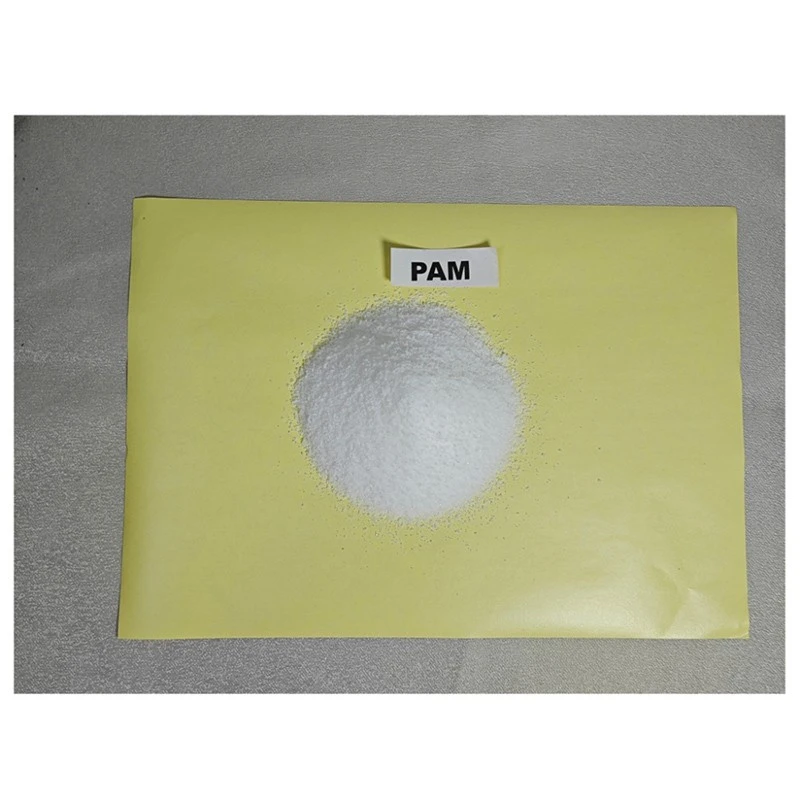

Recommended Dosages for Different Applications
Sewage Treatment
In municipal sewage treatment, cationic PAM is often the preferred choice due to the presence of a significant amount of organic matter and negatively charged particles. The recommended dosage of cationic PAM typically ranges from 1 - 10 mg/L. However, this can vary depending on the specific characteristics of the sewage. For example, if the sewage has a high concentration of grease or other difficult - to - treat organic substances, the dosage may need to be increased to 10 - 20 mg/L.
For more information on sewage treatment with PAM, you can visit our product page Sewage Treatment Flocculation Thickener PAM.
Industrial Wastewater Treatment
The dosage of PAM in industrial wastewater treatment varies widely depending on the industry. In the mining industry, anionic PAM is commonly used to treat wastewater containing inorganic suspended solids such as minerals and silt. The recommended dosage usually ranges from 2 - 10 mg/L. In the paper - making industry, where the wastewater contains a large amount of cellulose fibers and other organic matter, cationic or anionic PAM may be used, and the dosage can be in the range of 5 - 20 mg/L.
Drilling Mud
In the oil and gas drilling industry, polyacrylamide is used as a key component in drilling mud. Drilling Mud Polyacrylamide PAM helps to control the viscosity and filtration properties of the drilling mud. The dosage of PAM in drilling mud typically ranges from 0.1 - 1 kg/m³. The exact dosage depends on factors such as the type of drilling formation, the depth of the well, and the specific requirements of the drilling operation.
Water Clarification in Drinking Water Treatment
For the treatment of raw water for drinking purposes, anionic PAM is often used to remove suspended solids and turbidity. The recommended dosage is relatively low, usually in the range of 0.1 - 1 mg/L. This is because the water quality requirements for drinking water are very strict, and excessive PAM may introduce unwanted substances into the water.
Determining the Optimal Dosage
While the above - mentioned recommended dosages provide a general guideline, determining the optimal dosage for a specific water treatment application often requires laboratory testing and on - site trials. Laboratory jar tests are a common method used to evaluate the performance of different PAM types and dosages. In a jar test, samples of the water to be treated are placed in jars, and different dosages of PAM are added. The jars are then mixed at a specific speed and time, and the flocculation and sedimentation performance are observed. The dosage that results in the best floc formation, fastest sedimentation rate, and lowest residual turbidity is considered the optimal dosage.
On - site trials are also essential to confirm the results obtained from laboratory tests. In an on - site trial, the PAM is applied to the actual water treatment system at the recommended dosage range, and the treatment efficiency is monitored over a period of time. Adjustments can be made based on the real - time performance of the system, such as the quality of the treated water, the operation of the equipment, and the cost of the treatment.
Our PAM Products
As a PAM supplier, we offer a wide range of high - quality polyacrylamide products, including Excellent Polymer Flocculant. Our products are carefully formulated to meet the diverse needs of different water treatment applications. We have a team of experienced technicians who can provide professional advice on PAM selection and dosage determination. Whether you are dealing with sewage treatment, industrial wastewater treatment, or other water treatment challenges, we can help you find the most suitable PAM solution.
Contact Us for Procurement
If you are interested in our PAM products or need more information on the recommended dosage for your specific water treatment application, we encourage you to contact us. Our sales team is ready to assist you in understanding our products, providing technical support, and discussing procurement details. We believe that with our high - quality products and professional services, we can help you achieve efficient and cost - effective water treatment.
References
- Gregory, J. (1997). Coagulation and flocculation: theory and practice. Water Science and Technology, 35(4 - 5), 1 - 17.
- Zouboulis, A. I., & Avranas, S. A. (2000). Flocculation and coagulation in water and wastewater treatment. CRC Press.
- Hogg, R. (2009). Flocculation of fine particles. John Wiley & Sons.