

Hey there! As a polyacrylamide PAM supplier, I've been dealing with flocculants for ages. Today, I wanna chat about how polyacrylamide PAM stacks up against other flocculants.
First off, let's get a basic understanding of what flocculants are. Flocculants are substances used to promote the aggregation of fine particles into larger flocs, making it easier to separate them from a liquid. They're super important in a bunch of industries, like water treatment, mining, and oil and gas.
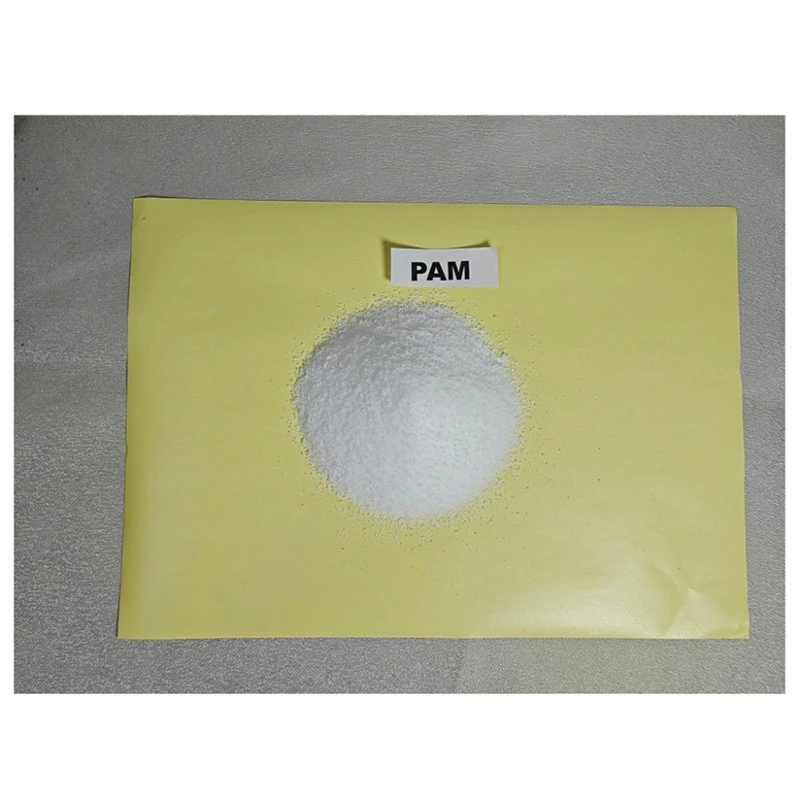

Now, let's talk about polyacrylamide PAM. PAM is a synthetic polymer that comes in different types, mainly anionic, cationic, and non - ionic. Each type has its own unique properties and applications.
Comparison with Alum
One of the most common flocculants out there is alum, which is aluminum sulfate. Alum has been around for a long time and is pretty cheap. It's widely used in water treatment plants for clarifying water.
But compared to PAM, alum has some limitations. For starters, alum works best in a relatively narrow pH range, usually around 5.5 - 7.5. If the pH of the water is outside this range, its flocculation efficiency drops significantly. On the other hand, PAM can perform well over a wider pH range, which gives it more flexibility in different water treatment scenarios.
Another issue with alum is that it can produce a lot of sludge. When alum reacts with impurities in water, it forms aluminum hydroxide flocs, which can be bulky and difficult to handle. PAM, however, can form more compact and easier - to - settle flocs, reducing the overall sludge volume. This is a huge advantage, especially for industries where sludge disposal is a major concern.
If you're interested in an excellent polymer flocculant like PAM, check out this Excellent Polymer Flocculant.
Comparison with Ferric Chloride
Ferric chloride is another commonly used flocculant. It's known for its strong coagulation ability and is often used in industrial wastewater treatment.
Ferric chloride can be quite corrosive, which means it requires special handling and equipment. Storage tanks and pipelines need to be made of corrosion - resistant materials, which adds to the cost. PAM, being a non - corrosive polymer, doesn't have this problem. It can be stored and transported in regular containers without the need for expensive anti - corrosion measures.
In terms of flocculation performance, ferric chloride may form flocs that are more brittle. These flocs can break apart easily during the settling or filtration process, leading to poor separation efficiency. PAM forms more stable and stronger flocs, which can withstand mechanical stress better, resulting in a clearer supernatant and more efficient solids - liquid separation.
Comparison with Natural Flocculants
There are also natural flocculants, such as chitosan and guar gum. These natural substances are derived from plants or animals and are considered more environmentally friendly.
However, natural flocculants usually have lower flocculation efficiency compared to PAM. They may require higher dosages to achieve the same level of clarification. This can be a drawback, especially for large - scale industrial applications where cost - effectiveness is crucial.
Natural flocculants are also more susceptible to degradation by microorganisms. They have a shorter shelf - life and may need to be stored under specific conditions to maintain their effectiveness. PAM, being a synthetic polymer, is more stable and has a longer shelf - life. It can be stored for a long time without significant loss of its flocculation properties.
Applications in Different Industries
Let's take a look at how PAM compares to other flocculants in specific industries.
Water Treatment
In municipal water treatment, PAM is often used in combination with other coagulants. Its ability to form large and stable flocs helps in removing suspended solids, turbidity, and even some dissolved organic matter. As mentioned earlier, its wide pH tolerance and low sludge production make it a preferred choice over alum and ferric chloride in many cases.
Mining
In the mining industry, PAM is used for tailings dewatering. It helps in separating the solid particles from the slurry, allowing for the reuse of water and the proper disposal of tailings. Other flocculants may not be as effective in handling the high - solid - content slurries commonly found in mining operations. PAM can quickly form large flocs, which settle rapidly, speeding up the dewatering process.
If you're in the mining industry and need a flocculant for drilling mud, check out Drilling Mud Polyacrylamide PAM.
Oil and Gas
In the oil and gas industry, PAM is used as an oil well fluid additive polymer. It can improve the viscosity and rheological properties of drilling fluids, which helps in maintaining wellbore stability and efficient drilling operations. Other flocculants may not have the same ability to modify the fluid properties in such a precise way.
For more information on using PAM as an oil well fluid additive, visit Oil Well Fluid Additive Polymer PAM.
Conclusion
In conclusion, polyacrylamide PAM has several advantages over other flocculants. Its wide pH tolerance, low sludge production, non - corrosiveness, and high flocculation efficiency make it a versatile and cost - effective choice for a variety of industries.
If you're in the market for a high - quality flocculant, I highly recommend considering PAM. Whether you're in water treatment, mining, or the oil and gas industry, PAM can offer you better performance and more cost - savings in the long run.
If you're interested in learning more or have any questions about our polyacrylamide PAM products, feel free to reach out. We're always here to help you find the best flocculation solution for your specific needs. Let's start a conversation and see how we can work together to improve your operations.
References
- "Water Treatment: Principles and Design" by David W. Hendricks and George Tchobanoglous
- "Industrial Wastewater Treatment" by Perry McCarty
- "Polymer Flocculants: Principles and Applications" by Gregory J. Jameson