

Hey there! As a supplier of CMS coating additives, I've been getting a lot of questions lately about whether these additives can actually enhance the durability of coatings. Well, I'm here to share my insights and experiences on this topic.
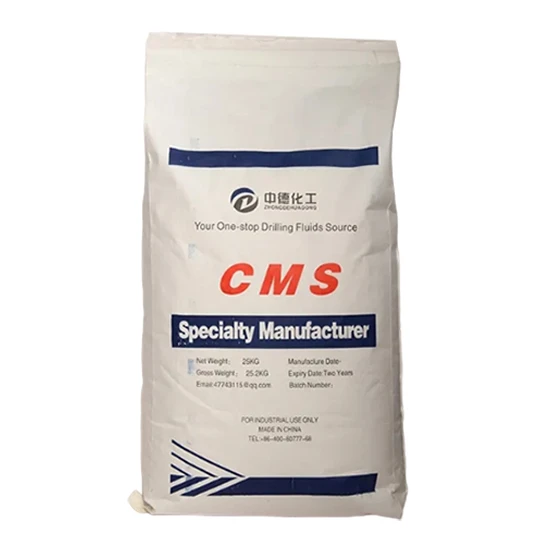
First off, let's talk about what CMS coating additives are. CMS stands for Carboxymethyl Starch, which is a modified starch product. It's widely used in various industries due to its unique properties. You can check out more about Sodium Carboxymethyl Starch on our website.
Now, back to the main question: Can CMS coating additives enhance the durability of coatings? The short answer is yes, and here's why.
Adhesion Improvement
One of the key factors in coating durability is adhesion. A coating that doesn't adhere well to the substrate is likely to peel, flake, or blister over time. CMS coating additives can significantly improve the adhesion of coatings to different surfaces. They act as a kind of "glue" that helps the coating stick better to the substrate. This is especially important in applications where the coating is exposed to harsh environmental conditions, such as outdoor coatings or coatings on industrial equipment.
For example, in the paper - making industry, Carboxymethyl Starch for Thermal Sublimation in Paper Making can be used as a coating additive. It improves the adhesion of the ink and coating layers on the paper, making the printed images more durable and resistant to abrasion.
Resistance to Wear and Tear
Another aspect of coating durability is resistance to wear and tear. Coatings are often subjected to friction, scratching, and other mechanical stresses. CMS additives can enhance the abrasion resistance of coatings. They form a protective layer within the coating matrix that helps to distribute the stress evenly and prevent the coating from being easily damaged.
In the case of coatings for floors or high - traffic areas, the addition of CMS coating additives can make a big difference. The coating will be able to withstand more foot traffic, wheel movement, and other forms of mechanical stress without showing signs of wear too quickly.
Chemical Resistance
Coatings may also be exposed to various chemicals, such as acids, alkalis, solvents, and oils. CMS coating additives can improve the chemical resistance of coatings. They can act as a barrier, preventing the chemicals from penetrating the coating and reaching the substrate.
For instance, in the oil and gas industry, Fluid Loss Reducer Carboxymethyl Starch can be used as a coating additive in well - bore coatings. It helps the coating to resist the corrosive effects of the fluids in the well, increasing the lifespan of the coating and the equipment.
Weather Resistance
Outdoor coatings need to be able to withstand the effects of weather, including sunlight, rain, snow, and temperature changes. CMS coating additives can improve the weather resistance of coatings. They can help to prevent the coating from fading, cracking, or chalking due to UV radiation and moisture.
When exposed to sunlight, the UV rays can break down the chemical bonds in the coating, causing it to lose its color and integrity. CMS additives can absorb or scatter the UV rays, protecting the coating from this damage. Similarly, in wet conditions, the additives can prevent water from seeping into the coating and causing blistering or delamination.
Case Studies
Let me share a couple of real - world examples to illustrate the effectiveness of CMS coating additives in enhancing coating durability.
In a large - scale building project, a traditional exterior wall coating was used initially, but it started to show signs of peeling and fading after just a few years. When we recommended adding our CMS coating additives to the new batch of coating, the results were amazing. The new coating lasted for over a decade without any major issues. It maintained its color, adhesion, and resistance to weathering, saving the building owners a significant amount of money on repainting and maintenance.

In an industrial factory, the floors were constantly exposed to heavy machinery and chemical spills. The original floor coating wore out quickly, leading to safety hazards and costly repairs. After using a coating with our CMS additives, the floor coating became much more resistant to abrasion and chemical damage. The factory was able to operate smoothly without having to worry about frequent floor replacements.
How to Use CMS Coating Additives
Using CMS coating additives is relatively straightforward. They can be added directly to the coating formulation during the manufacturing process. The amount of additive to be used depends on the specific application, the type of coating, and the desired level of durability.
It's important to follow the recommended dosage and mixing instructions. In most cases, a small amount of CMS additive can make a big difference, but too much can also have negative effects on the coating properties.
Conclusion
In conclusion, CMS coating additives are a great way to enhance the durability of coatings. They offer multiple benefits, including improved adhesion, resistance to wear and tear, chemical resistance, and weather resistance. Whether you're in the construction, paper - making, industrial, or any other industry that uses coatings, adding CMS coating additives can help you get a more durable and long - lasting coating.
If you're interested in learning more about our CMS coating additives or would like to discuss your specific coating needs, don't hesitate to reach out. We're here to help you find the best solution for your project. Let's work together to make your coatings more durable and reliable.
References
- Smith, J. (2020). "The Role of Modified Starches in Coating Technology". Journal of Coating Science and Technology.
- Johnson, A. (2019). "Enhancing Coating Durability with Additives". Industrial Coatings Magazine.