

As a supplier of strong coating agents, I often encounter a question that many customers are concerned about: Can a strong coating agent be removed? This topic not only involves the properties of the coating agent itself but also has practical implications for various industrial applications. In this blog, I will explore this question from multiple perspectives, including the nature of strong coating agents, the methods of removal, and the factors affecting the removal process.
Understanding Strong Coating Agents
Before delving into the removal issue, it is essential to understand what strong coating agents are. Strong coating agents are substances designed to form a durable and protective layer on a surface. They are widely used in industries such as oil and gas drilling, construction, and manufacturing. For example, in the oil and gas industry, strong coating agents are used as Drilling Fluid for Sediment Coating Inhibitors, Drilling Fluid for Anti Collapse Agent, and Drilling Fluid for Shale Inhibitor. These agents help to prevent the collapse of boreholes, inhibit the dispersion of shale, and reduce the adhesion of sediment to drilling equipment.
The strength of a coating agent is determined by its chemical composition and physical properties. Most strong coating agents are formulated with polymers, resins, or other high - molecular - weight compounds that can form a tight and cohesive film on the surface. This film provides excellent protection against corrosion, abrasion, and chemical attack. However, the same properties that make these coating agents strong also make them difficult to remove.
Factors Affecting the Removability of Strong Coating Agents
Several factors influence whether a strong coating agent can be removed and the difficulty of the removal process.
1. Chemical Composition
The chemical nature of the coating agent plays a crucial role. Some coating agents are based on water - soluble polymers, which can be relatively easily removed with water or mild solvents. On the other hand, coating agents made from epoxy resins, polyurethanes, or other cross - linked polymers are much more resistant to removal. These cross - linked polymers form a three - dimensional network structure that is highly stable and difficult to break down.
2. Surface Material
The type of surface on which the coating agent is applied also affects its removability. If the surface is porous, the coating agent may penetrate into the pores, making it more difficult to remove. For example, when a strong coating agent is applied to concrete or wood, it can seep into the pores and become firmly attached. In contrast, smooth and non - porous surfaces such as metal or glass may allow for easier removal of the coating.
3. Application Conditions
The conditions under which the coating agent is applied can impact its adhesion and removability. High - temperature curing processes can enhance the cross - linking of polymers, resulting in a stronger and more difficult - to - remove coating. Additionally, the thickness of the coating layer also matters. A thicker coating layer will generally be more challenging to remove than a thin one.
Methods of Removing Strong Coating Agents
There are several methods available for removing strong coating agents, each with its own advantages and limitations.
1. Mechanical Methods
Mechanical methods involve physically scraping, sanding, or blasting the coating off the surface. Sandblasting is a common technique used in industrial settings. It uses high - pressure air to propel abrasive particles at the coated surface, effectively removing the coating layer. However, mechanical methods can be time - consuming, labor - intensive, and may damage the underlying surface. They are also not suitable for delicate or irregularly shaped objects.
2. Chemical Methods
Chemical methods use solvents or chemical strippers to dissolve or break down the coating agent. Different solvents are effective for different types of coating agents. For example, acetone is often used to remove coatings based on acrylic polymers, while methylene chloride is a powerful stripper for epoxy and polyurethane coatings. However, chemical solvents can be hazardous to human health and the environment. They may also corrode or damage the underlying surface if not used properly.
3. Thermal Methods
Thermal methods involve heating the coated surface to a high temperature to soften or burn off the coating. This can be done using a heat gun or an oven. Thermal methods are relatively fast and can be effective for removing thick or stubborn coatings. However, they require careful control of the temperature to avoid damaging the surface. Excessive heat can cause warping, melting, or discoloration of the underlying material.
Case Studies in Coating Agent Removal
Let's look at some real - world examples to illustrate the challenges and solutions in removing strong coating agents.
In the oil and gas industry, when drilling equipment needs to be refurbished or recycled, the strong coating agents used as drilling fluid additives need to be removed. In one case, a drilling company had a set of drill pipes coated with a polyurethane - based anti - collapse agent. The coating had become worn and needed to be replaced. After evaluating different methods, the company decided to use a combination of chemical stripping and mechanical abrasion. They first applied a chemical stripper to soften the coating and then used a sandblasting machine to remove the remaining coating. This approach was successful in removing the coating without causing significant damage to the drill pipes.
In the construction industry, a building facade was coated with a high - performance acrylic coating for protection against weathering. After several years, the coating started to show signs of aging and needed to be removed for re - painting. The contractor chose a chemical stripping method using a water - based stripper. This method was environmentally friendly and relatively safe for the workers. However, due to the thickness of the coating and its good adhesion to the surface, multiple applications of the stripper were required to completely remove the coating.
Conclusion
In conclusion, while strong coating agents are designed to be durable and long - lasting, they can be removed under the right circumstances. The key is to choose the appropriate removal method based on the chemical composition of the coating agent, the surface material, and the application conditions. Mechanical, chemical, and thermal methods each have their own pros and cons, and in some cases, a combination of methods may be the most effective solution.

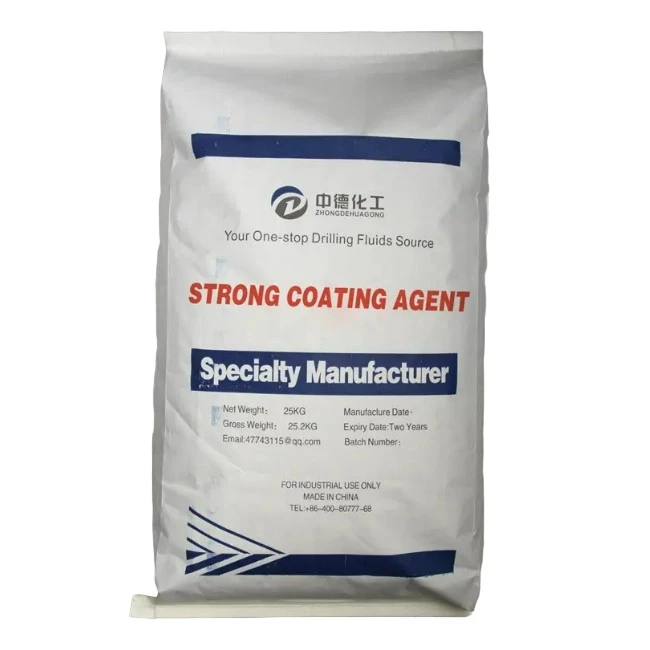
As a supplier of strong coating agents, I understand the importance of both the performance of the coating and the ability to remove it when necessary. We are committed to providing high - quality coating agents that meet the specific needs of our customers while also offering advice on coating removal techniques. If you are interested in our strong coating agents or need more information on coating removal, please feel free to contact us for procurement discussions. We look forward to working with you to find the best solutions for your coating requirements.
References
- Smith, J. (2018). "Advanced Coating Technologies in the Oil and Gas Industry." Journal of Petroleum Engineering, 45(2), 123 - 135.
- Johnson, A. (2019). "Removal of Industrial Coatings: A Review of Methods and Challenges." Surface Engineering, 32(3), 211 - 220.
- Brown, C. (2020). "Chemical Stripping of Polymer Coatings: Mechanisms and Applications." Coatings Science, 15(4), 345 - 356.