

Product Introduction
Sodium carboxymethyl cellulose is produced by reacting alkali cellulose with chloroacetic acid or its sodium salt. The etherification reaction mainly occurs at the primary hydroxyl group of the 6th carbon atom, and some reactions also occur at the hydroxyl groups at the 2nd and 3rd positions. Experiments show that when a product with a substitution degree of 0.91 is obtained, 48.6% of the hydroxyl groups at the 6th position undergo reaction, 24.8% of the hydroxyl groups at the 2nd position undergo reaction, and only 15.4% of the hydroxyl groups at the 3rd position undergo reaction.
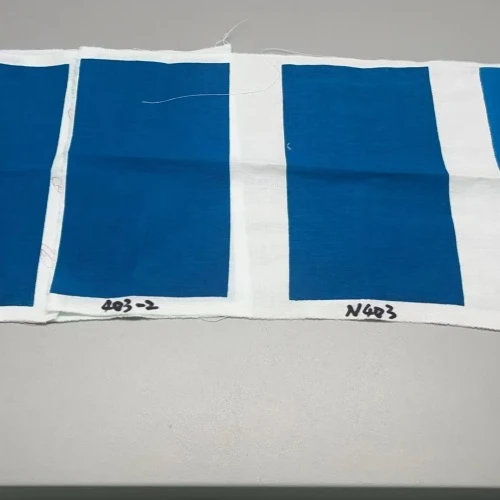
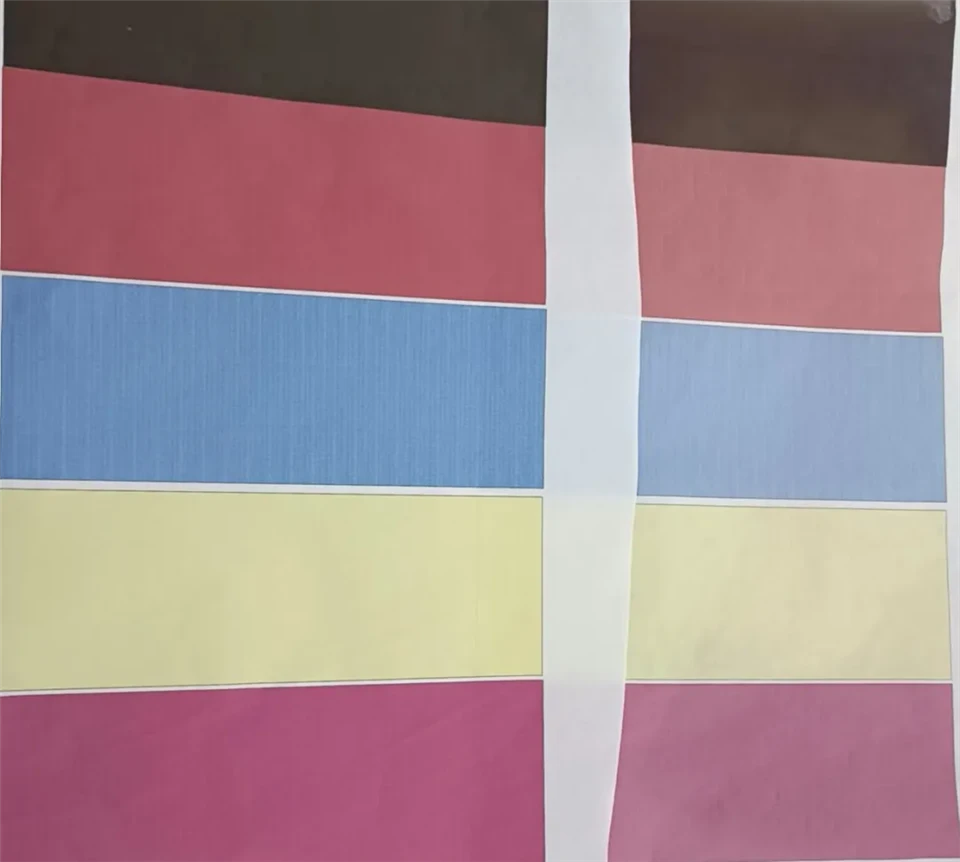
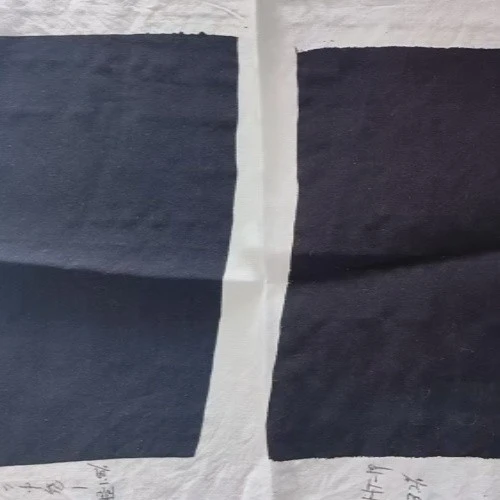
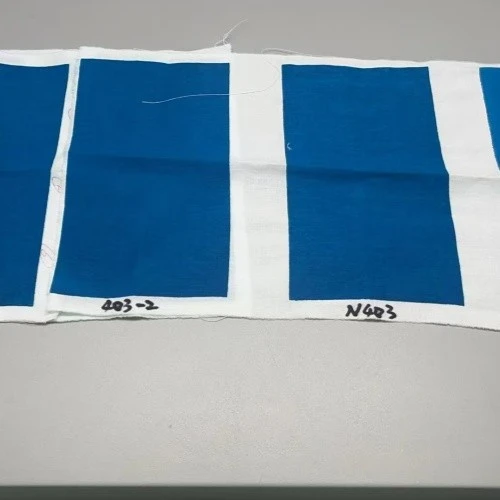
CMC is used as a printing paste principle of low substitution degree of sodium carboxymethyl cellulose, which can be used for two-phase printing with reducing dyes, and for dispersing dyes on polyester, but not suitable for metal complex dyes and cationic dyes, otherwise it will coagulate. Sodium carboxymethyl cellulose with a substitution degree higher than 1.5 can be used to replace sodium alginate for reactive dye printing. When using CMC with a polymerization degree of 2040 and a substitution degree of 1.46 for reactive dye printing, its color vividness, color fastness, and feel are the same as sodium alginate. The paste of sodium carboxymethyl cellulose has a high consistency, and compared with starch paste, the formed film after drying has better toughness and is easier to be washed off.
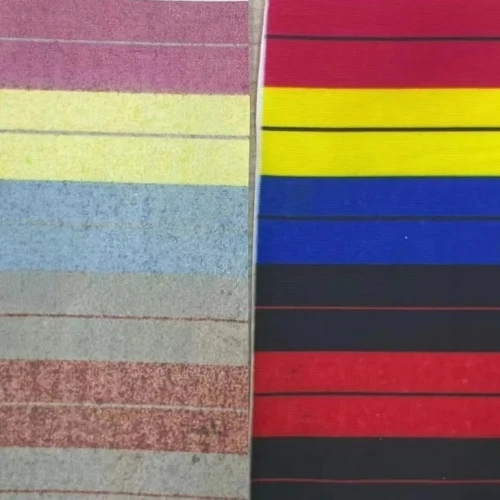
CMC is used as a reactive paste when the stability is different under different pH values or different salt concentrations. The carboxyl groups undergo different degrees of ionization, and the stretching degree of the sodium carboxymethyl cellulose molecule also varies, thus the viscosity of the paste also changes, which is more significant for high viscosity products. Methyl cellulose is a product obtained by etherification of cellulose. The substitution degree of the commercial product is 1.6 to 2.0, it is soluble in cold water, and its properties are stable within the pH range of 3 to 12. Heating or adding salt can cause methyl cellulose to gel. Especially in hot summer weather, the pulp room is hot, and the CMC paste made and stored for several hours will have a significant decrease in viscosity.
Features
1.Alternative to seaweed or used in a 1:1, 7:3 ratio with seaweed for compound use.
2 Active printing, with high color yield and high paste formation rate, having the same feel as seaweed.
3 Good salt resistance and stability, with a long storage time.
4 Good fluidity, uniform dyeing, high substitution degree, can reduce reactions with reactive dyes, and the printed items have a soft feel.
5 Very few gel particles, and no defects will occur during printing.
6 Good water absorption, can print fine patterns, and can be used in combination with other pastes.
Product Specifications
|
Appearance |
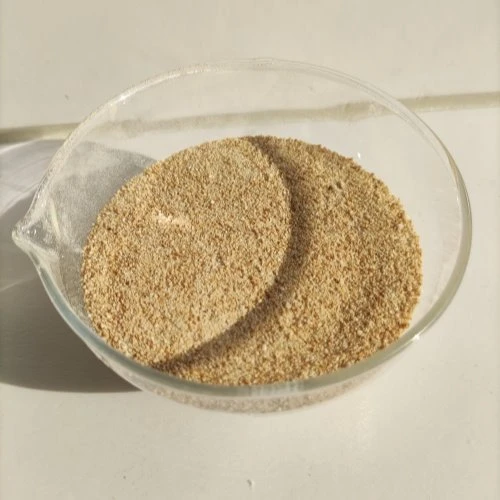
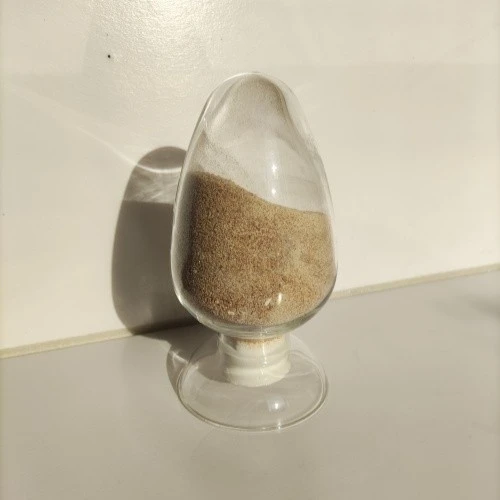
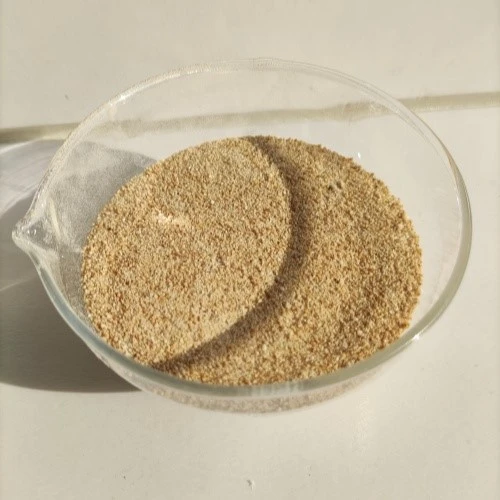
Brown particles |
|
PH |
7.5-8.5 |
|
D.S |
1.0-2.0 |
|
Moisture |
7-9 |
|
Viscosity |
1600-2000 |
|
Gel particles |
2 per square inch |
Hot Tags: textile-grade cmc, China textile-grade cmc manufacturers, suppliers, factory, cmc for labels, cmc for concrete, sodium carboxymethyl cellulose, cmc powder, food grade cmc, cmc for pharmaceutical industry


